Sunday, May 25, 2025

Best Home Workout Equipment for Beginner Bodybuilders


Pair of adjustable dumbbells used for beginner home strength training exercises


Best Home Workout Equipment for Beginners: What I Actually Use and Recommend

Let me be real with you — starting a home workout routine can feel kinda overwhelming. When I first decided to get fit at home, I had no clue what equipment I actually needed. There’s so much stuff out there, and honestly, I didn’t want to waste money on things that just collected dust. After a bit of trial and error (and a few funny fails), I found a few pieces that totally changed the game for me.

If you’re new to working out at home and don’t want to get stuck with useless gadgets, this post is for you. I’ll share the basics you really need, why I picked them, and how you can start without feeling lost or broke.

Why Work Out at Home Anyway?

Honestly, working out at home has some big perks. First, it’s super convenient. No driving to the gym, no waiting for machines, and you can literally squeeze in a workout whenever you want—even if it’s just 10 minutes between meetings.

Also, if you’re like me and sometimes feel a bit awkward trying new moves around others, home is your judgment-free zone. You can mess up, try again, and no one’s gonna stare or judge you. Plus, you save money on gym fees, which adds up!

Here’s What I Actually Use at Home (And What You Should Consider)

Resistance Bands — The Little Powerhouses

I gotta admit, I underestimated resistance bands at first. They look kinda flimsy, right? But wow, they pack a punch. I use mine for everything — from working my glutes to helping with pull-ups. They’re cheap, take almost no space, and you can get bands with different resistance levels so they grow with you.

If you’re unsure where to start, grab a set with a few different tensions. You can do rows, squats, bicep curls, and even stretches with them. And when you travel? They’re super easy to pack.

Dumbbells — The Classic Go-To

I started with a light pair, around 5 pounds each, just to get used to the movements and avoid hurting myself. Dumbbells might seem intimidating if you’ve never lifted weights, but they’re actually pretty user-friendly once you learn the basics.

If you have a tiny space, adjustable dumbbells are a lifesaver. Instead of buying a whole rack, you just twist a dial to change the weight. I love how they save space and money. Plus, as you get stronger, you just dial up the weight.

A Yoga Mat — More Than Just for Yoga

Don’t sleep on the yoga mat! I used to think it was only for stretching or yoga poses, but it’s actually a workout essential. It cushions your knees and wrists during exercises like planks, push-ups, and floor stretches. Also, it stops you from slipping, which is a big deal when you’re sweating.

Jump Rope — The Fun Cardio Starter

If you want to sneak in some cardio without going outside or running, a jump rope is perfect. It’s surprisingly tough when you’re just starting out—don’t worry if you trip a few times. Just a couple of minutes can get your heart rate up fast. I keep mine handy and use it whenever I need a quick burst.

Stability Ball — The Secret Core Builder

The stability ball looks weird at first, but trust me, it’s awesome. It helps with balance and core strength, which are key for all kinds of workouts. I use mine for crunches, wall squats, and even as a chair sometimes! It’s pretty fun and keeps things from getting boring.

Doorway Pull-Up Bar — Challenge Yourself

Pull-ups are tough, no joke. But if you want to build upper body strength, a pull-up bar is gold. I got one that fits in my doorway without any drilling. At first, I couldn’t do a full pull-up, so I used resistance bands to help me out. Now, I’m able to do a few on my own, and it feels awesome.

Before You Buy — Some Tips From My Mistakes

  • Don’t buy everything at once: I learned this the hard way. Start small, maybe with resistance bands and a pair of dumbbells, and see how it feels.
  • Look for multipurpose gear: Bands aren’t just for strength — they’re great for stretching and injury prevention too.
  • Watch videos: YouTube is packed with free tutorials on how to use each piece safely and effectively. This helped me avoid injuries big time.
  • Think about your space: If you only have a small corner, don’t get big bulky machines. Go for stuff that fits easily.

A Simple Beginner Workout You Can Do at Home

Here’s a quick routine I often do using the gear I mentioned. It only takes about 30 minutes and covers the basics.

  • Warm-up: 5 minutes jumping rope or jogging in place
  • Bodyweight squats: 3 sets of 12 reps
  • Resistance band rows: 3 sets of 10 reps
  • Dumbbell shoulder press: 3 sets of 8-10 reps
  • Stability ball crunches: 3 sets of 15 reps
  • Cool-down: Stretch on your yoga mat for 5-10 minutes

Want a Full Routine to Follow?

If you’re looking for a step-by-step beginner bodybuilding program that works perfectly with your home setup, check out this detailed guide I found super helpful: How to Build a Beginner Bodybuilding Routine (Step-by-Step Guide). It helped me turn my scattered workouts into a real plan that gets results.

Final Thoughts — Keep It Simple and Have Fun

Starting a workout routine at home doesn’t need to be complicated or expensive. Pick a few tools that feel right for you, keep your workouts short but consistent, and celebrate the small wins. Trust me, over time, those little steps add up to big changes.

So, what’s your go-to piece of equipment? Or are you still figuring it out? Drop a comment below—I’d love to hear your story!

Ready to take your fitness to the next level? Explore more beginner-friendly resources below:

Tags:

home workout, beginner fitness, resistance bands, dumbbells, home gym equipment, fitness motivation

Wednesday, May 21, 2025

Best Supplements for Muscle Growth: 5 Essentials for New Bodybuilders


supplement


💊 Top 5 Essential Bodybuilding Supplements for Beginners (and What to Avoid)

Starting your bodybuilding journey? You’ve likely walked into a supplement store or browsed online only to be bombarded with endless powders, pills, and promises. From “muscle boosters” to “fat shredders,” the supplement world can seem like a confusing maze — especially for beginners.

Here’s the good news: you don’t need 20 different supplements to get results. In fact, most of them are either unnecessary or completely ineffective if your diet, training, and recovery aren’t already on point.

In this post, we’ll break down the only five supplements you need as a beginner bodybuilder, why they work, and which ones to skip — saving you money, confusion, and wasted effort.

🏋️‍♂️ Do You Even Need Supplements as a Beginner?

Let’s get one thing clear right away: supplements are not magic pills. They don’t replace hard work, proper nutrition, or consistent training. The name says it all — they “supplement” what you might be missing in your regular diet or routine.

If you’re already:

  • ✅ Eating a balanced, protein-rich diet
  • ✅ Training consistently with progressive overload
  • ✅ Getting 7–9 hours of quality sleep
  • ✅ Staying hydrated

...then adding a few basic supplements can enhance your recovery, strength, and muscle growth. But the key is to keep it simple and stick with what’s proven to work.

🧃 1. Protein Powder (Whey or Plant-Based)

Why you need it: Protein is essential for muscle repair and growth. While it's best to get most of your protein from whole foods (like chicken, eggs, tofu, and beans), a quality protein powder helps you hit your daily target more easily — especially on busy days.

When to take it:

  • ✅ After your workout (within 30–60 minutes)
  • ✅ As a snack between meals
  • ✅ As a meal replacement when short on time

What to look for:

  • 👉 Whey protein isolate or concentrate (or plant-based blends for vegans)
  • 👉 20–30 grams of protein per serving
  • 👉 Low sugar, low fillers, and clean ingredients

Popular brands like Optimum Nutrition, Dymatize, and Naked Whey offer trusted options, but always check the ingredient label for additives and allergens.

💥 2. Creatine Monohydrate

Why you need it: Creatine is one of the most scientifically studied supplements in the world. It helps your muscles produce more energy during short bursts of high-intensity activity, like lifting weights. It can also increase strength, endurance, and even muscle volume over time.

When to take it:

  • 📅 Daily — consistency is more important than timing
  • 📤 Mix with water, juice, or your protein shake

How much: 3 to 5 grams per day

Forget the old-school “loading phase” where you take high doses at first. It’s not necessary and may cause stomach discomfort. Just take 3–5 grams daily and you’ll see results within a few weeks.

Note: Make sure it’s labeled “creatine monohydrate.” Avoid fancy overpriced versions — they don’t work any better.

🍎 3. Multivitamin

Why you need it: Bodybuilding increases your nutritional demands. Even with a balanced diet, it's easy to fall short on essential vitamins and minerals — especially if you’re dieting or have food restrictions.

A daily multivitamin acts like a nutritional safety net, ensuring your body has what it needs to support energy levels, recovery, and overall health.

When to take it:

  • 🌞 Once daily with a meal (to improve absorption)

What to look for:

  • ✔️ Formulated for active individuals or athletes
  • ✔️ Includes B vitamins, vitamin D, magnesium, zinc, and iron
  • ✔️ Avoid megadoses unless prescribed

🐟 4. Fish Oil (Omega-3 Fatty Acids)

Why you need it: Omega-3s support joint health, reduce inflammation, and promote heart and brain health. As a beginner, your muscles and joints will be sore from the new stress of training — omega-3s help speed up recovery and keep inflammation in check.

When to take it:

  • 🍽️ 1–2 times a day with meals

What to look for:

  • 👉 500–1,000 mg of EPA and DHA combined per serving
  • 👉 Third-party tested for purity (mercury-free)

If you don’t eat fish regularly, this is a must-have. Vegan alternatives made from algae oil are also available.

⚡ 5. Pre-Workout (Optional but Useful)

Why you might want it: Feeling tired, sluggish, or unmotivated before a workout? A pre-workout supplement can provide a temporary energy boost to help you train harder and stay focused.

Typical ingredients include:

  • ☕ Caffeine (boosts energy)
  • 💓 Beta-alanine (reduces muscle fatigue)
  • 💦 Citrulline malate (improves blood flow and pumps)

Be careful of:

  • ❌ High caffeine content (some go beyond 300mg per serving!)
  • ❌ Artificial colors, sweeteners, and proprietary blends

Better alternative: A strong cup of black coffee and a banana 30 minutes before your workout can work just as well for many beginners.

🚫 Supplements You DON'T Need (Yet)

Here’s a list of popular but unnecessary supplements for most beginners:

  • BCAAs: If you eat enough protein, you’re already getting plenty of these amino acids.
  • Fat Burners: Often filled with stimulants. They’re not a magic solution and can cause side effects.
  • Testosterone Boosters: Most are underdosed or ineffective, and beginners don’t need them.
  • “Mass Gainers”: Usually loaded with sugar and cheap fillers. You can gain muscle with real food.

These products are often marketed with flashy promises but deliver minimal (if any) real results. Focus on whole food nutrition first.

💡 Final Thoughts: Keep It Simple and Smart

As a beginner bodybuilder, you don’t need to overwhelm yourself with a shelf full of supplements. Start with the basics and build from there. Your foundation is your training, nutrition, rest, and consistency.

Here’s a simple checklist to follow:

  • ✅ Eat a clean, protein-rich diet
  • ✅ Train with intensity and focus
  • ✅ Get enough sleep and recovery
  • ✅ Add these 4–5 key supplements only if needed

Once you’ve established your base and start making gains, you can explore more advanced options based on your individual needs and goals.

📦 What’s in Your Stack?

Are you already using any of these supplements, or are you just getting started? Let me know in the comments below — or drop your questions if you’re unsure where to begin. I’ll help you build a supplement routine that fits your goals and budget.

Remember: Hard work builds muscle. Supplements are just the extra support. Train smart, eat well, stay consistent — and your body will transform.

Thursday, May 15, 2025

The Truth About Protein: How Much Do You Really Need for Muscle Growth?


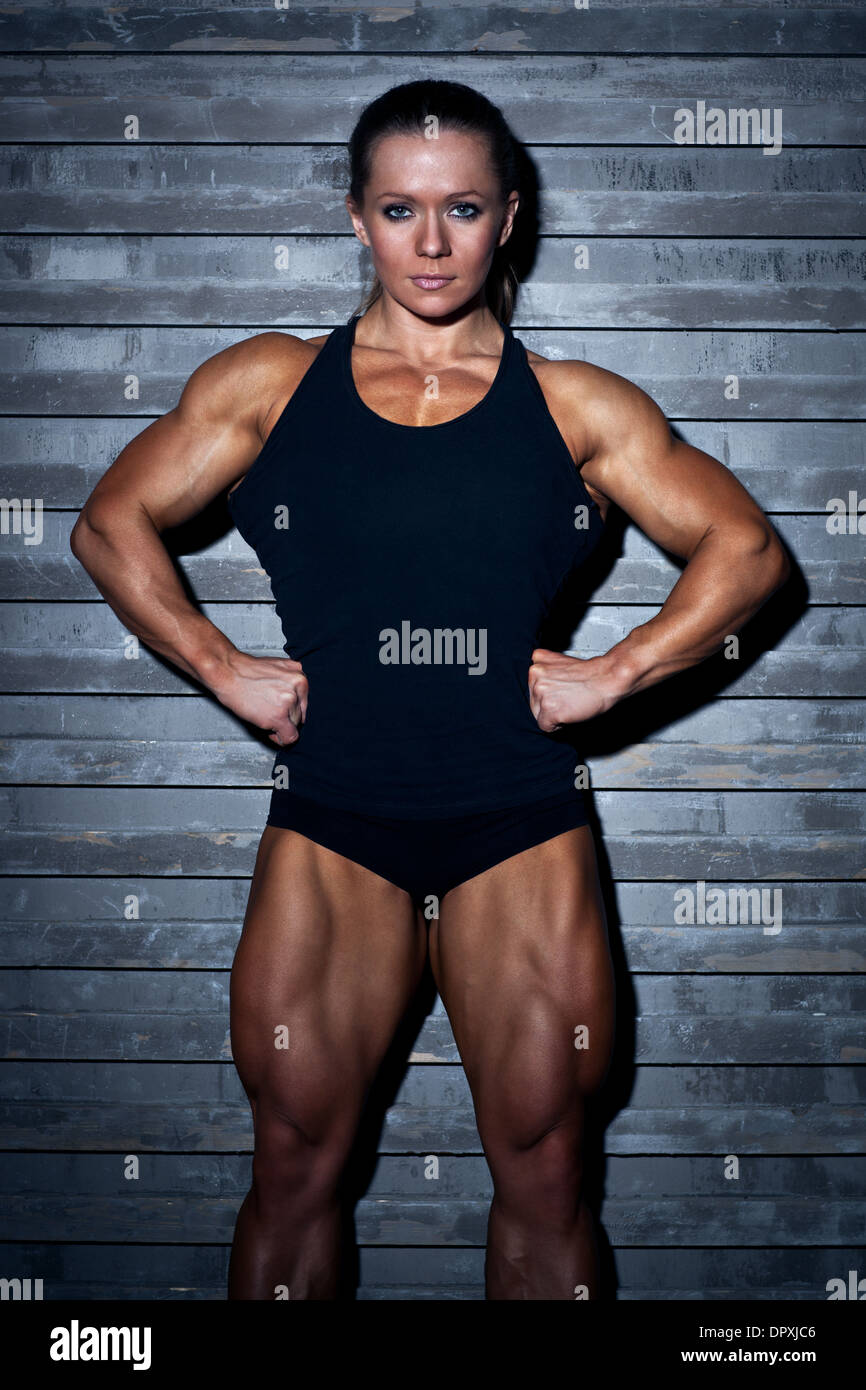
Woman bodybuilder on wall background Stock Photo - Alamy


💪 How Much Protein Do You Really Need to Build Muscle?

Introduction:

If you're trying to build muscle, you’ve probably heard the same advice over and over again: “You need more protein!” But how much protein do you actually need to see results? Do you have to down protein shakes all day or eat chicken for every meal?

The truth is, protein is essential for muscle growth, but you don’t have to overcomplicate it. In this guide, we’ll break it all down in a simple, beginner-friendly way — so you can stop guessing and start growing stronger muscles with confidence.

🍗 What Is Protein and Why Does It Matter?

Protein is one of the three main macronutrients (alongside carbohydrates and fats), and it plays a crucial role in muscle development. It’s made up of amino acids, which are the building blocks of your muscles, organs, skin, and tissues.

When you lift weights or engage in resistance training, you create small tears in your muscle fibers. Your body needs protein to repair and rebuild those fibers, making them stronger and larger over time. Without enough protein, your body won’t be able to recover properly — and your gains will slow down.

📏 How Much Protein Do You Need to Build Muscle?

Many beginners make the mistake of either eating way too little protein or going overboard with shakes and powders. So what’s the sweet spot?

General Rule: Aim for 1.6 to 2.2 grams of protein per kilogram of body weight daily. If you prefer pounds, that’s 0.7 to 1 gram per pound of body weight.

Example: If you weigh 70 kg (154 lbs), you need between 112–154 grams of protein per day.

Staying within this range supports muscle recovery and growth without overloading your system. Eating more protein than your body needs won’t automatically build more muscle — it will simply be burned for energy or stored as fat.

⚠️ Can You Eat Too Much Protein?

Yes. While high-protein diets are generally safe for healthy individuals, going far beyond your daily needs can stress your kidneys over time — especially if you already have existing kidney issues. It also crowds out other essential nutrients like fiber and healthy fats if you focus too much on protein.

So stick to your target range and balance your meals with carbs, fats, and veggies too.

🍽 Best Protein Sources for Muscle Growth

All protein is not created equal. You want to focus on complete protein sources that offer all nine essential amino acids — especially leucine, which plays a key role in muscle synthesis.

Animal-Based Protein Sources:

  • ✔️ Chicken Breast: Lean, affordable, and easy to cook.
  • ✔️ Eggs: Packed with protein and healthy fats — plus very versatile.
  • ✔️ Lean Beef: Great source of iron and creatine in addition to protein.
  • ✔️ Greek Yogurt: High in protein and gut-friendly probiotics.
  • ✔️ Fish (Salmon, Tuna, Cod): High-quality protein and heart-healthy fats.

Plant-Based Protein Sources:

  • ✔️ Lentils: High in protein and fiber — great in soups or salads.
  • ✔️ Chickpeas: A flexible ingredient for stews, salads, and hummus.
  • ✔️ Tofu and Tempeh: Rich in complete plant proteins and calcium.
  • ✔️ Quinoa: A complete protein and excellent alternative to rice.
  • ✔️ Chia and Hemp Seeds: Small but mighty — easy to add to smoothies or oatmeal.

Eating a variety of these foods ensures you’re getting all the amino acids your muscles need for optimal repair and growth.

🥤 Do You Need Protein Shakes?

Protein shakes are a convenient way to increase your protein intake, but they’re not essential for everyone. You can absolutely meet your daily needs through whole foods if you plan your meals well.

Use protein shakes if:

  • 🏃‍♂️ You’re super busy and don’t have time to cook.
  • 🏋️ You can’t eat a full meal soon after your workout.
  • 📊 You’re struggling to hit your daily protein target.

Just remember: shakes are supplements — not replacements for meals. Choose a high-quality protein powder with minimal added sugars and artificial ingredients. Whey, casein, or plant-based powders like pea or rice protein are all good options.

⏰ When Should You Eat Protein?

While timing isn’t everything, spreading your protein intake evenly across the day can help maximize muscle growth and recovery. Aim for 20–40 grams of protein in each meal, depending on your body size and goals.

  • 🍳 Include protein in breakfast to avoid energy crashes.
  • 🍗 Eat a high-protein meal after your workout (within 1–2 hours) to kickstart muscle repair.
  • 🥣 Include protein in every meal and snack — not just dinner.

Some athletes and bodybuilders stress about exact timing, but for beginners, consistency matters more than perfection. Hitting your daily total is more important than eating protein at exactly 4:32 PM after a workout!

🍳 Easy High-Protein Meal Ideas

If you’re not sure where to start, here are some quick and simple high-protein meals:

  • 🥚 Scrambled eggs with whole-grain toast and avocado
  • 🍗 Grilled chicken with quinoa and roasted veggies
  • 🥗 Tuna salad wrap with spinach and hummus
  • 🍛 Lentil curry with brown rice and steamed broccoli
  • 🍓 Greek yogurt parfait with chia seeds, nuts, and berries

Meal prepping a few of these during the week can make it easier to stay on track with your protein goals — without reaching for junk food or skipping meals.

🧠 Final Thoughts: Simplify Your Protein Strategy

Protein is essential for muscle growth — but you don’t need to overthink it. Focus on:

  • 🎯 Hitting your daily protein target (1.6–2.2 g per kg or 0.7–1 g per lb)
  • 🥦 Eating a variety of high-quality protein sources (both animal and plant-based)
  • 🥤 Using shakes only when needed for convenience
  • 🍴 Spreading protein across 3–5 meals each day
  • 🏋️ Training hard and giving your body time to rest and recover

Once you build the habit, eating enough protein will feel easy — and you’ll start to see the rewards in the mirror and in the gym. Muscle doesn’t grow overnight, but with consistency and smart nutrition, you’ll be on the fast track to gains.

Start today. Plan your meals. Track your intake. And fuel your muscles with what they need to grow stronger every single day.

Wednesday, May 14, 2025

How to Build a Beginner Bodybuilding Routine (Step-by-Step Guide)


Beginner Bodybuilding Workout Plans That Actually Work

So you’ve learned the top beginner-friendly bodybuilding exercises — great start! Now it’s time to put those movements into action with a solid weekly workout plan. Learning the moves is only half the battle. A structured routine is what turns scattered effort into real muscle growth, improved strength, and visible progress.

In this post, we’ll walk you through everything you need to build a beginner bodybuilding routine that works — without overwhelming you with complex jargon or unrealistic expectations. Whether you're training at home or in a gym, this guide gives you a roadmap to build muscle, stay injury-free, and stay consistent.

Why You Need a Workout Routine

Many beginners make the mistake of jumping from exercise to exercise without any plan. While enthusiasm is great, lack of structure quickly leads to plateaus, burnout, or even injury. A good routine keeps you consistent, focused, and progressing in the right direction.

Here’s why a workout plan is essential:

  • Consistency: A routine keeps you from skipping workouts or forgetting what to do next.
  • Recovery: Structured rest between sessions helps your muscles grow stronger and prevents overtraining.
  • Balanced Development: You ensure all muscle groups get attention — not just the ones you like working on.
  • Motivation: Tracking your progress becomes easier when you're following a plan.

If you’re serious about getting results, having a routine is non-negotiable.

How Often Should a Beginner Train?

If you’re new to bodybuilding, more isn’t always better. Many beginners think they need to be in the gym every day, but the truth is: your body needs time to recover.

The ideal beginner frequency is 3 to 4 training days per week.

This allows your muscles time to recover, reduces the risk of injury, and fits easily into most people’s schedules. It’s better to consistently hit 3–4 workouts a week than to burn out trying to train every day.

Beginner-Friendly Workout Plans

Here are two simple but effective workout plans you can follow. Choose the one that fits your schedule and experience level.

Option 1: Full Body Routine (3 Days a Week)

This plan is perfect for complete beginners. It targets all major muscle groups in each session using compound exercises that give you the most results for your time and effort.

Weekly Schedule Example:

  • Monday: Full Body
  • Wednesday: Full Body
  • Friday: Full Body

Workout Example:

  • Squats – 3 sets of 8–12 reps
  • Push-Ups (or Bench Press) – 3 sets of 8–12 reps
  • Bent-Over Rows – 3 sets of 8–12 reps
  • Shoulder Press – 3 sets of 8–12 reps
  • Plank – 3 sets, hold for 30–60 seconds

This approach trains your body evenly and helps develop a strong foundation. You’ll also benefit from frequent practice of key movements, which improves form quickly.

Option 2: Upper/Lower Split (4 Days a Week)

If you’ve been training for a few weeks and feel ready to add an extra day, this split gives more focus to specific muscle groups. You’ll train upper body twice per week and lower body twice per week, giving each area proper volume and recovery.

Weekly Schedule Example:

  • Monday: Upper Body
  • Tuesday: Lower Body
  • Thursday: Upper Body
  • Friday: Lower Body

Upper Body Example Workout:

  • Incline Dumbbell Press – 3 sets of 8–12 reps
  • Lat Pulldown – 3 sets of 8–12 reps
  • Dumbbell Shoulder Press – 3 sets of 8–12 reps
  • Bicep Curls – 3 sets of 10–15 reps
  • Tricep Extensions – 3 sets of 10–15 reps

Lower Body Example Workout:

  • Deadlifts – 3 sets of 6–8 reps
  • Leg Press – 3 sets of 10 reps
  • Walking Lunges – 3 sets per leg
  • Leg Curls – 3 sets of 10–12 reps
  • Standing Calf Raises – 3 sets of 15–20 reps

This plan provides a great balance of volume and intensity while giving your muscles enough time to recover between sessions.

How Many Sets and Reps Should You Do?

The ideal rep range for beginners is typically:

  • 3 sets of 8–12 reps per exercise

This range promotes muscle hypertrophy (growth), improves coordination, and gives your body time to adapt without excessive fatigue. Rest for about 60–90 seconds between sets to allow partial recovery.

Stick to this rep range for the first 8–12 weeks of your program. Once you’re more advanced, you can vary your reps and sets based on your goals (e.g., higher reps for endurance, lower reps for strength).

Don’t Forget Recovery

Training hard is only half the equation. Your muscles actually grow during rest — not in the gym. Recovery is where the magic happens, so make sure you’re treating it seriously.

Key recovery tips:

  • Get at least 7–9 hours of quality sleep each night
  • Take 1–2 full rest days per week
  • Eat enough protein (about 0.8–1 gram per pound of body weight)
  • Stay hydrated and eat whole, nutrient-rich foods

If you’re constantly tired, sore, or losing motivation — you might not be recovering well enough. More isn’t always better. Listen to your body.

Final Tip: Be Consistent, Not Perfect

Every beginner worries about missing a workout or not doing something “right.” But the truth is, consistency matters more than perfection. You don’t need to crush every single session. Just keep showing up. Build momentum. Progress happens over months, not days.

Missed a day? That’s okay. Just don’t miss two in a row. Get back on track, and keep moving forward.

Struggling with motivation? Remind yourself why you started. Take progress photos. Celebrate small wins. Join a gym buddy or online community for support.

Ready to Build Muscle?

Now that you’ve got the knowledge, it’s time to take action. Choose one of the beginner workout plans above, follow it for at least 8–12 weeks, and track your progress. Keep things simple. Don’t get distracted by flashy programs or shortcuts.

Your beginner bodybuilding journey starts with commitment, patience, and effort. Stay consistent, train smart, recover well — and you’ll be amazed at how your body transforms.

You’ve got this. Let’s build that physique, one rep at a time.

Tuesday, May 6, 2025

Top 5 Beginner-Friendly Bodybuilding Exercises


Top 5 Beginner-Friendly Bodybuilding Exercises

When you're just starting out in bodybuilding, it’s essential to focus on exercises that build a strong foundation. These exercises will help you build strength and muscle without needing fancy equipment.

1. Squats
Squats are a fantastic compound exercise that targets your legs and core. They help build strength in your lower body and improve overall muscle mass.

How to Do It:

  • Stand with feet shoulder-width apart.

  • Lower your hips back and down, keeping your chest up.

  • Bend your knees to about 90 degrees before pushing back up.

2. Push-ups
Push-ups are great for building upper body strength, especially for your chest, shoulders, and triceps.

How to Do It:

  • Place your hands slightly wider than shoulder-width apart.

  • Lower your body until your chest almost touches the floor, then push back up.

3. Dumbbell Rows
Dumbbell rows help build a strong back and biceps. If you don't have a bench, you can do this with one knee on a flat surface.

How to Do It:

  • Hold a dumbbell in each hand.

  • Bend at the waist, keeping your back flat, and pull the dumbbells toward your torso.

  • Lower slowly and repeat.

4. Planks
Planks are excellent for strengthening your core and improving stability.

How to Do It:

  • Start in a push-up position, but bend your elbows and rest on your forearms.

  • Keep your body in a straight line from head to heels, engaging your core.

5. Bicep Curls
Bicep curls are an easy and effective exercise to target your arm muscles, helping you build strength in your arms.

How to Do It:

  • Hold a dumbbell in each hand with your arms fully extended.

  • Curl the weights toward your shoulders, then slowly lower them back down.


2. "How to Create Your First Bodybuilding Workout Routine"

How to Create Your First Bodybuilding Workout Routine

Starting bodybuilding can be intimidating, but having a simple and structured routine can make all the difference. Here’s how you can create your very first bodybuilding workout routine.

1. Start With Full-Body Workouts
For beginners, full-body workouts are the most efficient. Aim to train three times per week (e.g., Monday, Wednesday, Friday).

Example Full-Body Workout:

  • Squats – 3 sets of 10–12 reps

  • Push-ups – 3 sets of 10–15 reps

  • Dumbbell Rows – 3 sets of 10 reps

  • Planks – 3 sets, hold for 30 seconds each

  • Bicep Curls – 3 sets of 12–15 reps

2. Focus on Compound Movements
Compound exercises, such as squats and push-ups, target multiple muscle groups at once, making them ideal for building overall strength.

3. Gradually Increase Intensity
Start with lighter weights or bodyweight exercises, and as you get stronger, increase the resistance by adding more weight or reps.


3. "Best Foods for Muscle Growth"

Best Foods for Muscle Growth

Building muscle isn’t just about lifting weights — it’s also about fueling your body with the right foods. Here's a list of muscle-building foods that will help you get the most out of your workouts.

1. Chicken Breast
Chicken is packed with lean protein, which is essential for muscle repair and growth. It’s also low in fat, making it perfect for building muscle without gaining excess fat.

2. Eggs
Eggs are a powerhouse of protein and contain healthy fats, vitamins, and minerals. They’re an easy and affordable source of nutrition.

3. Oats
Oats provide complex carbohydrates, which give your body energy for workouts. They also help stabilize blood sugar levels.

4. Greek Yogurt
Greek yogurt is high in protein and calcium, which are both important for muscle recovery. Add some fruit or honey for extra flavor.

5. Fish (Salmon, Tuna)
Fish is rich in omega-3 fatty acids, which help reduce inflammation and aid in muscle recovery. It also provides lean protein.


4. "Common Mistakes Beginners Make in Bodybuilding"

Common Mistakes Beginners Make in Bodybuilding

When starting bodybuilding, it’s easy to make mistakes. Here are some common ones to avoid to get the best results.

1. Not Warming Up Properly
Skipping warm-ups can lead to injury. Warming up with light cardio or dynamic stretches prepares your muscles for the workout ahead.

2. Overtraining and Not Resting Enough
Rest days are just as important as workout days. Your muscles grow while you’re resting, so don’t skip rest days.

3. Poor Form
It’s tempting to lift heavy weights, but bad form can lead to injury. Focus on proper technique to avoid injuries and build muscle effectively.

4. Not Tracking Progress
If you don’t track your progress, it’s harder to know if you’re improving. Keep a log of your workouts, including weights, reps, and sets.

5. Ignoring Nutrition
Muscle growth requires the right nutrition. Make sure you're eating enough protein and calories to support muscle repair and growth.


5. "How to Track Your Progress in Bodybuilding"

How to Track Your Progress in Bodybuilding

Tracking your progress is crucial in bodybuilding, as it keeps you motivated and helps you identify areas to improve. Here’s how to track your progress effectively.

1. Track Body Measurements
Take measurements of your chest, arms, waist, and legs every 4–6 weeks. This will help you see how your body is changing over time.

2. Track Strength Gains
Note the weight you’re lifting for each exercise. As you get stronger, increase the weight or reps to challenge yourself.

3. Take Progress Photos
Take before-and-after photos to see visual changes in your body. This can be more motivating than numbers alone.

4. Keep a Workout Log
Track every workout, including exercises, sets, reps, and weights. This will allow you to see your progress and adjust your workouts accordingly.

How to Start Bodybuilding as a Complete Beginner


How to Start Bodybuilding as a Complete Beginner

Starting your bodybuilding journey can feel overwhelming, especially when you see others lifting heavy weights or using complex machines. But here’s the truth: every expert was once a beginner. You don’t need fancy gym equipment, expensive supplements, or years of training to get started. What you need is the right mindset, a clear plan, and consistency. If you’re ready to take the first step toward a stronger, healthier version of yourself, this guide is for you.

1. Set Realistic and Personal Goals

The first step in bodybuilding is understanding your “why.” Ask yourself what motivates you. Are you looking to gain muscle mass, lose fat, improve your athletic performance, or simply feel more confident in your body? Having a clear reason helps you stay motivated and focused when things get tough.

Start with short-term goals that are achievable. For example, “I want to work out three times a week” is a better goal than “I want to look like a professional bodybuilder in six months.” Long-term transformation comes from hitting many short-term goals consistently over time.

2. Learn and Master the Basic Exercises

Before you jump into advanced routines or sign up for a gym membership, focus on mastering the basics. These foundational exercises build strength, improve balance, and teach your body proper movement patterns. You can start with just your bodyweight or a pair of dumbbells.

Here are five beginner-friendly exercises:

  • Push-ups: Great for chest, shoulders, and triceps. Modify by doing them on your knees if needed.
  • Squats: Build leg and glute strength. Keep your heels on the ground and your chest up.
  • Pull-ups: Tough at first, but excellent for back and biceps. Use resistance bands or an assisted pull-up machine if you're new.
  • Dumbbell Curls: Strengthen your biceps. Keep your movements controlled and avoid swinging your arms.
  • Planks: Strengthen your core. Start with 20–30 seconds and work up over time.

Focus on proper form. Performing exercises incorrectly can lead to injury and stall your progress. Watch instructional videos or work with a trainer to ensure you're moving correctly.

3. Create a Simple Workout Routine

As a beginner, it’s best to start with a full-body workout routine that you do 3–4 times per week. This gives your body enough time to rest and recover while still building muscle.

Here’s an example weekly plan:

  • Monday: Full-body workout (Push-ups, Squats, Dumbbell Curls, Planks)
  • Wednesday: Full-body workout (Incline Push-ups, Lunges, Dumbbell Rows, Side Planks)
  • Friday: Full-body workout (Regular Push-ups, Squats, Dumbbell Curls, Planks)

Rest on the other days, or do light activity like walking or stretching. Recovery is when your muscles grow, so don’t skip it!

4. Focus on Nutrition for Muscle Growth

You can work out as hard as you want, but if your nutrition isn’t right, you won’t see the results you’re hoping for. Your body needs fuel to build muscle — that fuel comes from your food.

Here are the basics of a muscle-building diet:

  • Protein: Essential for muscle repair and growth. Aim for sources like eggs, chicken breast, lean beef, fish, tofu, and Greek yogurt. A good rule of thumb is 1 gram of protein per pound of body weight daily.
  • Carbohydrates: Provide the energy needed for your workouts. Include whole grains, oats, rice, potatoes, fruits, and vegetables.
  • Healthy Fats: Support hormones and overall health. Avocados, nuts, seeds, olive oil, and fatty fish like salmon are excellent choices.

Stay hydrated by drinking plenty of water throughout the day. Limit processed foods, sugary drinks, and junk food, especially if you’re also trying to lose fat.

5. Track Your Progress Consistently

Tracking your progress is one of the most motivating things you can do. It helps you see how far you’ve come and shows you what’s working — or what needs to change.

Here are a few ways to track your progress:

  • Take progress photos: Every 2–4 weeks, take photos in the same lighting and clothing. The mirror may not always show it, but side-by-side photos will.
  • Log your workouts: Write down what exercises you did, how many reps, and how much weight you used. Try to increase your reps or weights slightly each week.
  • Measure your body: Use a measuring tape to track your chest, arms, waist, and legs. You might gain muscle even if the scale doesn’t move.

6. Be Patient and Stay Consistent

One of the biggest mistakes beginners make is expecting fast results. Bodybuilding is a slow and steady journey. It can take weeks or even months before you see major physical changes. But the real transformation is happening inside your body — improved strength, better endurance, and healthier habits.

Stay focused on your goals, and don’t compare yourself to others. Everyone’s body responds differently to training. Some people build muscle faster than others, and that’s okay.

If you miss a workout or have a bad eating day, don’t give up. Just get back on track the next day. Progress isn’t about perfection — it’s about persistence.

7. Optional: Consider Supplements Carefully

As a beginner, you don’t need supplements to make progress. Focus on food first. However, some supplements can help if your diet is lacking in certain areas.

Popular options include:

  • Whey protein: A convenient way to get more protein, especially after workouts.
  • Creatine monohydrate: One of the most studied supplements. It can improve strength and muscle gain over time.
  • Multivitamins or Omega-3s: Helpful if your diet is missing key nutrients.

Always consult a healthcare professional before starting any supplement, especially if you have health conditions or take medications.

8. Surround Yourself With Support

Having people around who support your fitness goals can make a big difference. Whether it’s a workout buddy, an online fitness community, or a supportive family member, encouragement keeps you accountable and motivated.

Follow fitness influencers or bodybuilders who post real, helpful content. Join online forums or social media groups for beginners. Ask questions and share your progress — you’re not alone on this journey.

Conclusion

Bodybuilding as a beginner doesn’t have to be complicated. Start simple, stay consistent, and focus on steady progress. You don’t need the perfect workout plan or the best equipment — you just need to show up and do the work. With time, patience, and dedication, your body will transform, and so will your confidence.

Remember: Every pro was once a beginner. Your journey starts now. Take the first step today and build the strong, healthy body you deserve.

Saturday, May 3, 2025

How to Avoid Common Bodybuilding Injuries and Train Safely


Avoiding Injuries in Bodybuilding: A Complete Beginner’s Guide

Bodybuilding is one of the most rewarding ways to transform your body, build strength, and increase confidence. It promotes discipline, boosts mental health, and brings a sense of achievement. However, like any physically demanding activity, bodybuilding carries the risk of injury if not done carefully. Even experienced lifters sometimes fall into bad habits that lead to muscle strains, joint pain, or even more severe setbacks.

For beginners, injuries can be discouraging and may lead to quitting entirely. But the good news is that most injuries are preventable. With the right techniques, habits, and mindset, you can train safely and make consistent progress. This guide covers the most common bodybuilding injuries, how to prevent them, and best practices to keep your body strong, resilient, and pain-free.

1. Understanding Common Bodybuilding Injuries

Before you can prevent injuries, it’s important to understand which ones are most common in bodybuilding and why they happen. Injuries typically result from poor form, lack of warm-up, overtraining, or ignoring warning signs from your body.

  • Muscle Strains and Tears: These happen when a muscle is overstretched or overloaded too quickly. This is common during explosive movements or when lifting beyond your capability without proper preparation.
  • Tendonitis: A painful inflammation of the tendons, often due to repetitive motion or overuse. This frequently affects the shoulders, elbows, knees, and wrists.
  • Lower Back Pain: One of the most frequent complaints among lifters. Poor form during deadlifts, squats, or back extensions is often the culprit.
  • Joint Pain: This can result from improper angles or repetitive stress without enough rest, especially in shoulders, knees, and wrists.

Understanding these injuries helps you take proactive measures to train smart and avoid long-term damage.

2. Warm Up Properly Before Every Workout

Never skip your warm-up. A proper warm-up prepares your muscles, joints, and nervous system for the workout ahead. It helps prevent strains, enhances performance, and gets your mind into training mode.

Effective warm-up includes:

  • 5–10 minutes of light cardio (treadmill walking, cycling, or jumping rope)
  • Dynamic stretching—such as arm circles, hip swings, or leg raises
  • Warm-up sets with lighter weights before moving to your working sets

Remember, the goal is to gradually increase your heart rate and loosen up the muscles you plan to train.

3. Focus on Correct Form and Technique

Improper form is one of the top causes of injuries in bodybuilding. Many beginners try to lift heavier than they should, sacrificing form to impress others or chase quick gains. However, lifting with poor technique puts your joints, spine, and muscles under unnecessary stress.

Form tips for beginners:

  • Learn each exercise properly before adding weight—watch reputable tutorials or ask a certified trainer for guidance
  • Use mirrors to check your form or record yourself during lifts
  • Keep movements controlled and steady—avoid jerking or bouncing
  • If in doubt, reduce the weight until you can complete the exercise with perfect form

Prioritizing form over ego is a long-term investment in your progress and safety.

4. Progress Gradually and Avoid Overtraining

Progressive overload — gradually increasing the weight, reps, or intensity of your workouts — is essential for muscle growth. But doing too much too soon can backfire.

How to progress safely:

  • Increase weights in small increments (2.5–5 lbs at a time)
  • Listen to your body; sharp or persistent pain is a sign to stop
  • Follow a structured program that includes rest days and deload weeks
  • Avoid training the same muscle group on consecutive days

Rest is where your muscles grow and recover. Don’t let impatience push you into overtraining — it's a shortcut to injury and burnout.

5. Use Proper Equipment and Gym Setup

Wearing the right gear and using equipment correctly can significantly reduce your injury risk.

Key points to remember:

  • Wear supportive footwear with good grip and cushioning
  • Use lifting belts, wrist wraps, or straps only when necessary—not as a crutch
  • Make sure machines are adjusted to suit your height and body type
  • Wipe sweat off benches and equipment to avoid slipping

Good equipment hygiene and setup can prevent slips, strains, and long-term joint problems.

6. Incorporate Flexibility and Mobility Work

Bodybuilders often focus solely on lifting heavy, neglecting mobility and flexibility. This leads to muscle tightness, poor range of motion, and higher injury risk—especially in shoulders, hips, and lower back.

Tips for improving mobility:

  • Include foam rolling or myofascial release before workouts
  • Stretch the major muscle groups after every session
  • Try yoga or mobility-focused sessions weekly to maintain joint health

Improved mobility leads to better form, deeper squats, smoother lifts, and fewer injuries over time.

7. Listen to Your Body and Prioritize Recovery

Training through pain isn’t a badge of honor — it's a warning sign you shouldn’t ignore. Recovery isn’t laziness; it’s an essential part of getting stronger.

Recovery strategies that prevent injury:

  • Sleep 7–9 hours per night to support muscle repair
  • Use ice or heat therapy for sore areas
  • Hydrate well and maintain a balanced diet with enough protein and micronutrients
  • Take rest days and active recovery days seriously

Long-term success in bodybuilding depends not only on how hard you train, but also on how well you recover.

8. Know When to See a Professional

If you're experiencing persistent pain, stiffness, or discomfort that doesn’t go away after rest, consult a doctor or physical therapist. Ignoring pain can turn a minor issue into a serious injury.

Getting professional help early can save you months of frustration later. Don’t try to self-diagnose everything — a specialist can guide you toward proper rehab and prevent further damage.

Conclusion

Bodybuilding should be a long-term journey, not a quick sprint. Staying injury-free is crucial if you want to continue progressing and enjoy the process for years to come. By focusing on proper warm-ups, technique, progressive overload, and recovery, you can significantly reduce the risk of setbacks.

Remember: your body is your most valuable tool in bodybuilding. Take care of it, train smart, and stay consistent. Avoiding injury doesn’t mean training less—it means training better. Build your strength the right way, and your body will reward you with steady muscle gains, improved performance, and confidence both in and out of the gym.

Mastering Bodyweight Progressions: How I Went from Basic Push-Ups to Real Strength

I’ll be honest — I used to think calisthenics wasn’t “real” training. I mean, how strong could you possibly get by just moving your own body...